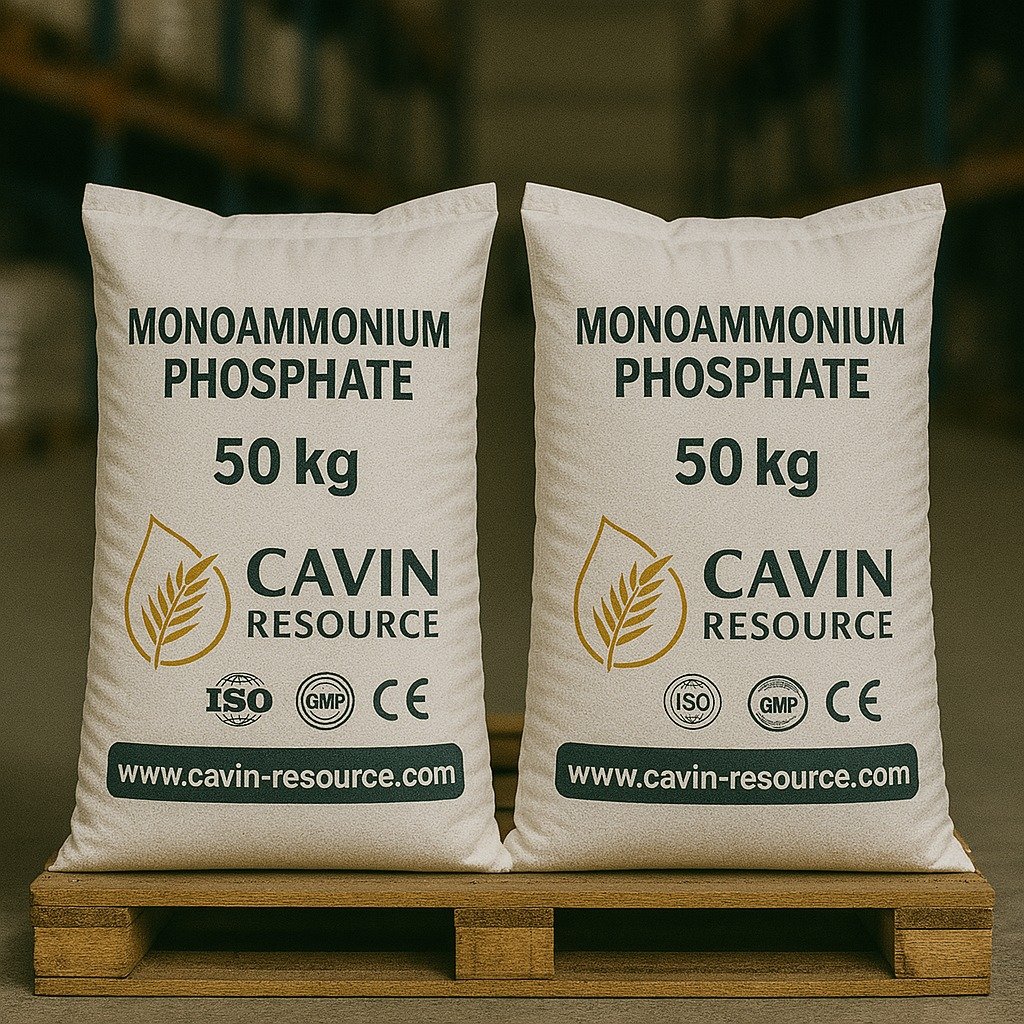
Monoammonium phosphate (MAP is a highly potent soil amendment prized for its distinct makeup . This crystalline product , commonly referred to as 11-52-0 , delivers significant amounts of P2O5 – vital for root maturation – alongside a useful level of ammonium nitrogen. The shortage of potassium oxide contributes to its specialized application in horticulture where P needs are paramount .
The Represents 11-52-0 Plant Food? A Comprehensive Overview
11-52-0 blend is a specific form of blend primarily used to promote phosphorus assimilation in crops. The numbers, 11-52-0, show the percentage by weight of nitrogen, P2O5, and K2O, respectively. In other copyright, it contains 11% N, a substantial 52% phosphorus, and 0% potassium. This phosphorus-rich content makes it particularly valuable for rooting new seedlings and addressing phosphorus lack in the soil. While it offers significant benefits, remember that it lacks potassium, so a complete blend may be needed for overall plant health.
MAP 11-52-0: Advantages and Uses in Farming
MAP 11-52-0, or MAP , is a potent fertilizer commonly employed in current agricultural systems. Its unique composition – containing 11% N and 52% P2O5 – provides critical nutrients for vegetation growth and maturation . Producers often employ MAP 11-52-0 to boost base development, encourage early flowering , and improve overall yield check here .
- Encourages strong root systems.
- Crucial for early crop development.
- Facilitates in yielding premium crops .
Unlocking the Potential of Monoammonium Phosphate Product
This phosphate fertilizer offers a pathway for boosting plant output. Its significant content of both phosphorus and nitrogen makes it the excellent option for diverse farmers , particularly in initial stages of maturation. Strategic delivery of monoammonium phosphate can lead to healthier seedling development and improved overall agricultural vigor .
Monoammonium Phosphate Application
Monoammonium MAP (11-52-0) is a effective nutrient source recognized for its capacity to boost crop yields . This unique mixture delivers a significant concentration of phosphorus - vital for root development and initial development - alongside a decent amount of N for robust foliage emergence. Incorporating MAP strategically can lead to noticeable improvements in total agricultural health .
MAP {11-52-0: Your Questions Resolved
Many farmers have queries about this fertilizer, particularly regarding its make-up of 11-52-0. Essentially, this represents the percentage of N, phosphate, and potassium oxide respectively. It’s a highly easily dissolved source of phosphate, crucial for root growth and blooming. Let's examine some common topics:
- What is the benefit of using MAP? This fertilizer offers a concentrated dose of phosphorus, which may be particularly helpful in soils deficient in phosphorus.
- How must apply MAP? It’s typically applied and incorporated the soil, or used in fertigation systems.
- Can combine MAP with other fertilizers? While compatible with some, always check compatibility to avoid problems.
Remember that testing your soil is always important to determine the precise nutrient demands of your crops.